
"Kenyan brewing"
2000 article(s) found

Kenyan coffee flavor Kenyan aa coffee characteristics Kenyan coffee grade classification
Professional coffee knowledge exchange more coffee bean information please follow the coffee workshop (Wechat official account cafe_style) Kenya is a country that produces fine coffee. Only the traditional Arabica tree species were introduced from Britain in 1900. It was not until 1950 that the best bourbon variants of SL28 and SL34 in Kenya appeared, and most coffee beans are carried out by the Kenya Coffee Authority.

Kenyan coffee bean flavor Kenyan coffee grading method Kenyan coffee
Professional coffee knowledge exchange more coffee bean information please pay attention to the coffee workshop (Wechat official account cafe_style) is located in Kenya below the equator of East Africa, the coffee beans planted are high-quality Arabica species, thick and round coffee beans, the grade is divided into seven grades according to the size of coffee beans, and the taste is divided into six grades from top to bottom.

Kenyan Coffee drinking Law Kenyan Coffee grading system Kenyan Coffee characteristics
Professional coffee knowledge exchange more coffee bean information please follow the coffee workshop (Wechat official account cafe_style) the Kenyan boutique coffee industry is different from the general, mostly in the form of a combination of small farmers, wet processing plants and cooperatives, farmers will send the harvested coffee cherries to nearby processing plants or cooperatives in the shortest possible time. At the same time, the cooperative will send people on a regular basis.

A brief introduction to the history and culture of the origin and development of Kenyan Jinchu boutique coffee beans with fresh flavor
Kenya AA coffee beans are adjacent to Ethiopia, the origin of Arabica coffee trees in the north of Kenya, but it was not until the beginning of the 20th century that they began to cultivate coffee. In the 19th century, missionaries introduced Arabica trees from the leaves, but did not plant them in large quantities. It was not until 1893 that coffee was cultivated on a large scale by the introduction of Brazil's ancient bourbon caffeine seeds. That is to say, at present

Introduction to the taste of the manor producing area with the characteristics of double washing treatment of Kenyan coffee beans
Kenya is bordered to the north by Ethiopia, the origin of Arabica coffee trees, but it was not until the beginning of the 20th century that coffee cultivation began. In the 19th century, missionaries introduced Arabica trees from the leaves, but did not plant them in large quantities until 1893. Brazil's ancient "bourbon" coffee seeds were introduced to cultivate coffee on a large scale. In other words, the current Kenyan coffee is of Brazilian origin.

A brief introduction to the treatment method of grinding degree and baking degree of Kenyan Jinchu boutique coffee beans with sweet green tea
We still choose the familiar medium and shallow baking, but in order to retain the very rich fruit flavor in the raw beans, we increase the temperature of the beans to 210 ℃ and keep the temperature at 125 ℃. After entering the pot, we observe the return point and steam the coffee beans over low heat, and observe until the coffee beans whiten evenly at 4 minutes and 30 seconds, then press the fire to complete the dehydration in about 5 minutes and 30 seconds, and then reduce the firepower at 175 ℃ in 8 minutes to make the coffee coffee.

Kenya AA FAQ three processing plants selected batches how to brew? Flavor description? Taste?
Kenya AA class FAQ three treatment plants selected batches Kenya is very well-known three treatment plants to undertake raw bean water treatment work, the water treatment plant name is as follows: Gatomboya Coffee factory Mutwewathi coffee factory Gakuyuini coffee factory's first water treatment plant (Gatomboy) in Kenya coffee industry, well-known
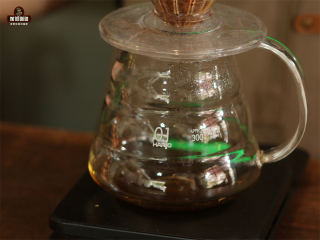
Introduction of coffee bean producing areas in Kenya the flavor and taste characteristics of Kenyan coffee in Africa are recommended.
Following Kaibei (official Wechat account vdailycom) found that Kenyan coffee, which is mostly grown at an altitude of 1500Murray 2100m above sea level, is harvested twice a year. To ensure that only ripe berries are picked, people must tour the forest and go back and forth about

Grading of Kenyan boutique coffee beans what do you mean by AA, AB and PB in Kenyan coffee
Coffee is graded when it is still raw before roasting. Any coffee tree can produce all grades of coffee, from E to C, and then sort by size. This is done for consistency in baking, because beans of similar size are baked at a similar rate, while beans of different sizes are baked unevenly (for example, more

Flavor characteristics and cooking parameters of Kenyan coffee beans recommendation of Kenyan coffee beans
For the exchange of professional baristas, please pay attention to the coffee workshop (Wechat official account cafe_style) Kenyan coffee single product bean flavor characteristics, production areas and brewing parameters Kenyan coffee beans have a wide variety of graded coffee, each has its own grade, there are many different choices for a cup of coffee. Among them, beans from the same producing area are divided into several grades, which are not clearly understood.

An introduction to the coffee flavor and taste area of Burman Manor in Kenya.
Kenyan coffee is mostly grown at an altitude of 1500m, 2100m, and is harvested twice a year. To ensure that only ripe berries are picked, people must tour the forest about seven times. Kenyan coffee is grown by small farmers. After they harvest the coffee, they first send the fresh coffee beans to the cooperative cleaning station, where the washed and dried coffee is covered with parchment beans.

Hand brewed Japanese iced coffee practice iced hand brewed Kenya AA coffee beans Flavor Taste characteristics Description
Kenya coffee is characterized by a bright, vibrant acidity that is very distinctive in fine coffee. Kenya coffee, as a well-known coffee in fine coffee, is planted in a unique environment. High altitude, fertile volcanic soil and other conditions make Kenya coffee occupy a place in the world. Kenyan coffee is usually made in hand brewed form,

Introduction to the production area of Kenyan beans how to describe the flavor of Kenyan beans
How to describe the flavor of Kenyan beans by hand to describe the taste of varieties introduce the second stage of hand-brewed coffee: this stage requires a total of 6 concentric circles to wash away the powder layer formed by steaming. After the smallest flow of water is injected into the center point by hand for 2 seconds, the concentric circle is around the first circle, and then each concentric circle is enlarged 1 turn accordingly. To the fifth concentric circle, it is about 12.5px away from the filter cup wall.

What is the flavor of Kenyan coffee? how do you drink Kenyan coffee?
Professional coffee knowledge exchange more information about coffee beans Please follow the coffee workshop (Wechat official account cafe_style) when it comes to coffee production, Kenya has always had a reputation for excellence in quality. This may have something to do with its geographical location, after all, close to the birthplace of coffee beans. Since coffee beans have traveled from Ethiopia through the mountains to Kenya, Kenya has been

Classification of Kenyan coffee how to drink Kenyan coffee? Characteristics of Kenyan aa Coffee
Professional coffee knowledge exchange more coffee bean information Please follow the coffee workshop (Wechat official account cafe_style) Coffee has gone through five steps: planting, harvesting, processing, roasting and extraction, from the crops in the mountains to the drinks in our hands. All the classifications we have seen so far are basically based on different factors / methods in these steps.
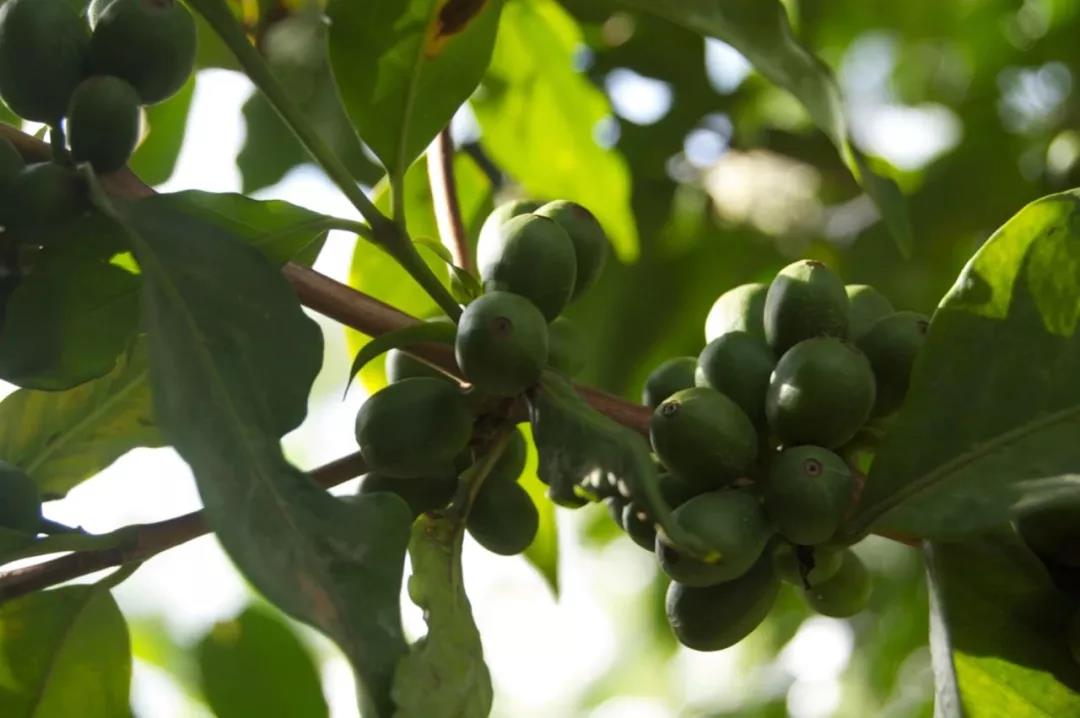
Africa Kenya AA hand-made coffee beans are so sour how to do Kenya AA coffee introduction
Professional barista communication please follow the coffee workshop (Wechat official account cafe_style) Kenya AA, round beans, thick flesh, good heat permeability, high precision, using French baking, rich and sweet taste, mellow thickness, good expansibility, aroma and sweetness are of high grade. The best grade of coffee is beans

Introduction to the flavor and taste characteristics of boutique coffee beans in Burman Manor coffee producing area in Kenya
Kenya is bordered to the north by Ethiopia, the origin of Arabica coffee trees, but it was not until the beginning of the 20th century that coffee cultivation began. In the 19th century, missionaries introduced Arabica trees from the leaves, but did not plant them in large quantities. It was not until 1893 that coffee was cultivated on a large scale because of the introduction of Brazil's ancient bourbon seeds. That is to say, Kenyan coffee is of Brazilian origin.

The recommended parameters of hand-made Kenyan AA card Latin American coffee. How to wash coffee beans by double fermentation?
Professional coffee knowledge exchange more coffee bean information please follow the coffee workshop (Wechat official account cafe_style) Kenyan coffee Chili Niaga Kenamui processing plant bourbon variety washing Kenya KirinyagaKainamui FactoryBourbon Washed region is located in southern Kenya Kirinyaga region, Kiriniyaga and Nyeri are famous for high-quality coffee.

Kenya Jinchu Valley Coffee with endless aftertaste, grinding degree, taste, price, brewing method, introduction
Kenya coffee is mostly grown at altitudes of 1500- 2100 meters and harvested twice a year. To make sure only ripe berries are picked, people have to make about seven rounds through the woods. Kenyan coffee is grown by small farmers who harvest the coffee and send it fresh to a cooperative washing station, where the washed, dried coffee is washed into parchment coffee beans (i.e., coated inside).
A brief introduction to the treatment method of grinding degree and baking degree of Kenyan boutique coffee beans
This coffee has an excellent medium purity, crisp and refreshing taste. It has a fresh flavor and is most suitable for drinking iced coffee in summer. When tasting this coffee, if it is paired with sour fruits such as grapefruit, it will certainly give me the best coffee experience. Not much like coffee, but a bit like fruit tea is the common feeling of many people to this kind of shallow roasted Kenyan coffee. In addition to having obvious and